Cement production plant

Durable Rotary and Diverter Valves for Demanding Applications in the Minerals Industry

Proven wear protection concepts for long service life in mining processes.

Determined to Build Robust Components for Harsh Applications

The minerals industry is facing increasing demands for high-performance equipment, sustainability, and ecological responsibility. Handling abrasive minerals efficiently and reliably has become a key challenge for modern processing plants. With decades of experience in abrasive bulk material handling, Coperion has built extensive expertise in delivering advanced solutions specifically designed for minerals applications.

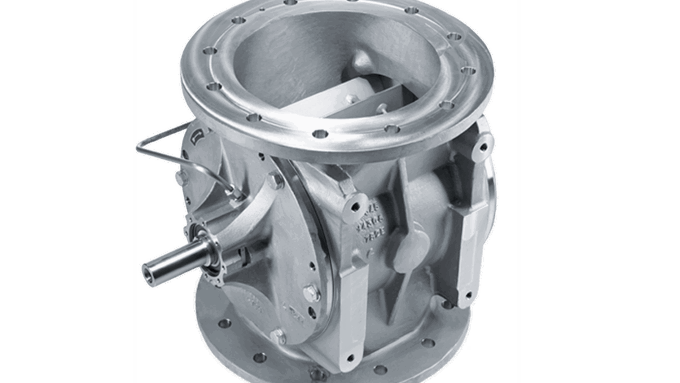
Components used in the handling of abrasive minerals – especially in pneumatic conveying systems—are exposed to extreme operating conditions. High conveying velocities, significant pressure differentials, and highly abrasive bulk solids result in intensive wear and demanding performance requirements. Coperion meets these challenges with industry-leading rotary valves and diverter valves engineered for maximum durability and reliability.

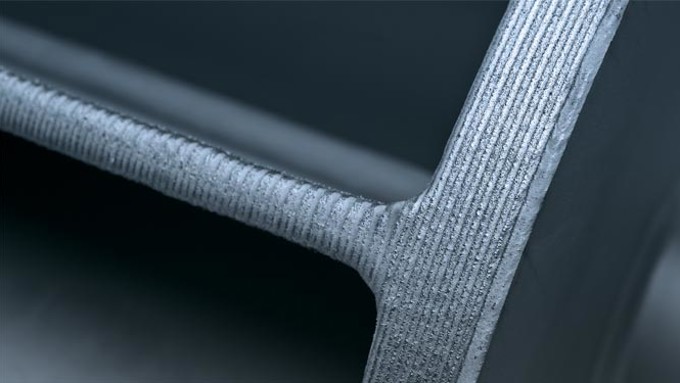
Drawing on decades of project experience, research, and continuous testing, Coperion developed the DuroProtect wear protection concept. This advanced system is based on extensive real-world applications and rigorous in-house testing. At Coperion’s dedicated wear test facility, materials such as chrome, tungsten carbide, and ceramics are evaluated under realistic conditions using highly abrasive minerals.

The result is a precisely engineered portfolio of wear protection solutions tailored to different levels of abrasion. With DuroProtect, Coperion provides optimized rotary and diverter valves that ensure longer service life, reduced maintenance, and maximum process efficiency in demanding minerals processing environments.

Lasting Protection with Proven Performance

Six Levels of Wear Protection for Minerals Applications

Coperion rotary and diverter valves are carefully engineered and feature wear protection by design. For enhanced durability, we offer the innovative DUROPROTECT concept, specifically developed for handling abrasive bulk materials in demanding applications.

By considering key process parameters such as bulk material properties, differential pressure, and conveying velocity, Coperion provides wear protection solutions precisely tailored to your application requirements. This ensures an optimal balance between equipment lifetime and investment cost.

The DUROPROTECT wear protection concept is available in six levels, enabling a customized solution based on the specific wear characteristics of your process.

TALK TO EXPERT

Typical Applications of Coperion Valves in Minerals

Top View Cement Factory

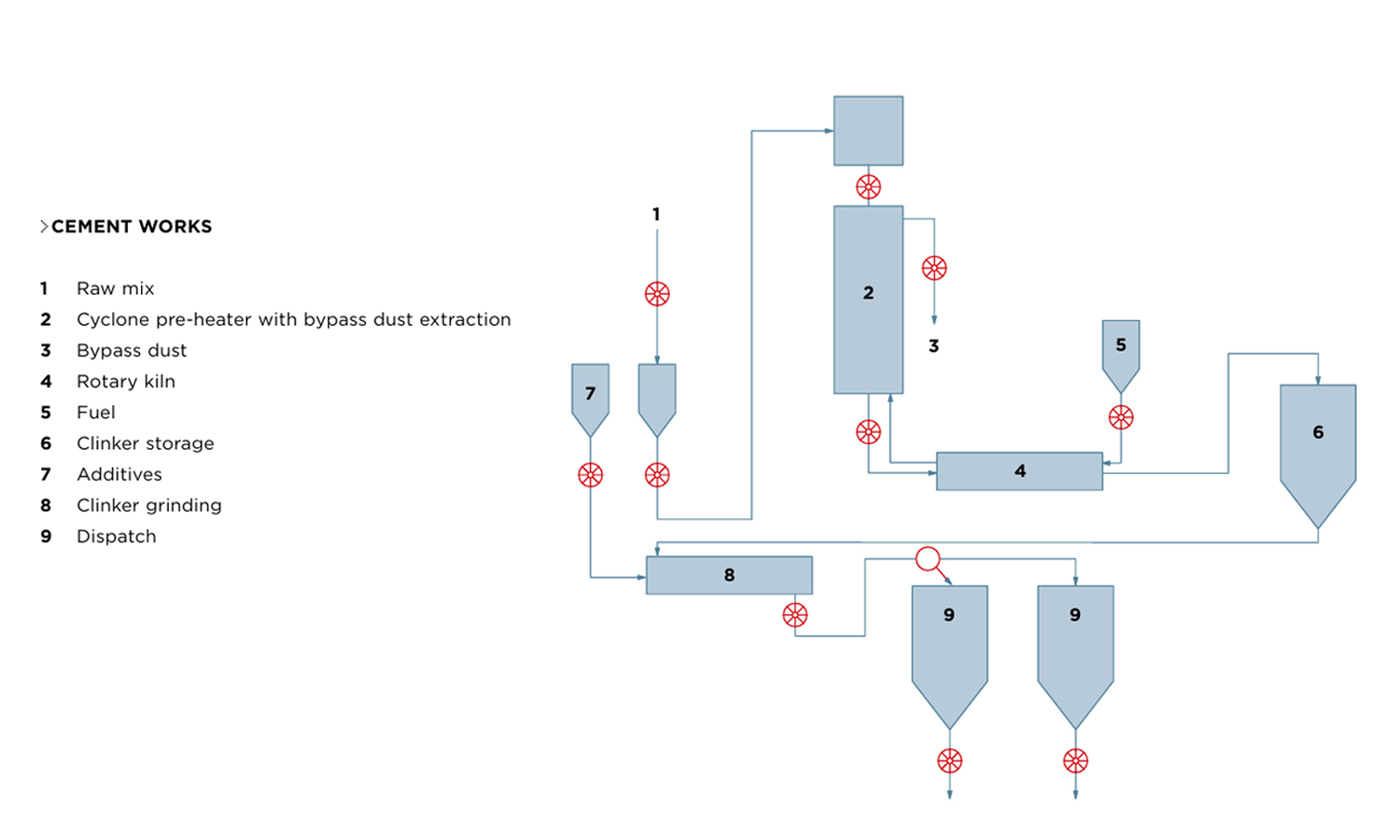
In the cement industry, robust and reliable components are essential for ensuring smooth and efficient production processes.
Throughout the complete cement production process, from the raw materials handling and blending, via the raw meal, clinker and additive processing to the finished cement, Coperion rotary valves ensure consistent, controlled feeding and conveying into mills, blenders, kilns, silos and bagging lines. 

Rotary valves must be capable of handling a wide range of abrasive materials, from coarse and irregular particles to finely ground powders and be able to withstand high application temperatures.

Diverter valves provide additional flexibility by enabling the efficient routing of materials throughout the production process. Their rugged construction ensures long-term reliability, even under the harshest conditions.

With their durable design and precise performance, rotary valves and diverter valves make a significant contribution to the efficiency, safety, and cost-effectiveness of modern cement manufacturing operations.

Typical Cement Process

Furnace Gas Filtration Equipment Silica Products

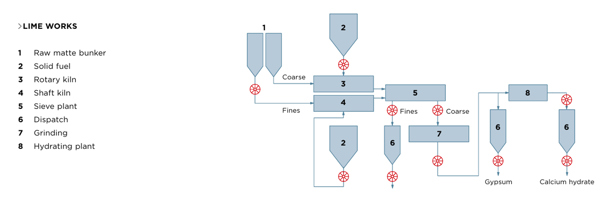
Limestone processing, whether for construction, agriculture, or industrial use, requires precise control of abrasive materials.

In the lime industry, Coperion rotary valves are used across a wide range of applications throughout the entire process. From raw, crushed or pulverized limestone to finished products such as quicklime or hydrated lime, rotary valves ensure consistent and controlled feeding into crushers, classifiers, kilns, and silos.

Diverter valves enable smooth and efficient material routing within and between individual process steps.

Typical Limestone Process

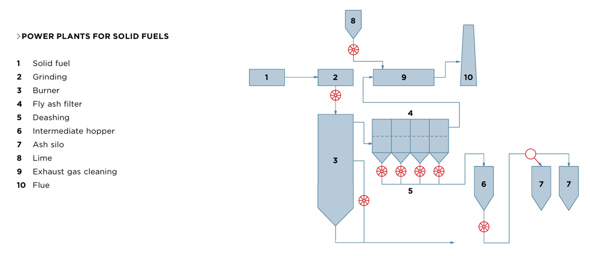
In coal-fired and biomass power plants, material handling is critical for efficient energy generation. Typical fuels that are handled are hard- and brown coal or biomasses like wood pellets, husks and sewage sludge as well as the residues of the burning process like fly ash and slag. Due to the high abrasiveness of all these materials, rotary valves and diverter valves have to be executed with high wear protection levels to ensure reliable operation. 

Typical Process in Power Plants

Steelworker Work Near Arc Furnace

Coperion rotary valves and diverter valves are used in numerous different industries handling abrasive bulk materials.
Just a view examples of industries in which our components have proven their performance:

  • Construction industry: sand, gravel, additives
  • Gypsum industry
  • Aluminum production
  • Ore- and mining industry: crude ore, finished products, slag
  • Ceramics and glass industry
  • Fertilizer production
  • Soda / Natrium carbonate industry
  • Steel industry
  • Pigment production: titanium dioxide, chalk, talcum
  • (Ply-)Wood industry: sanding dust, wood powders, wood pellets
  • And many more

Critical Considerations in Minerals Applications

Production environments in the minerals industry are among the most abrasive. Components that handle bulk materials such as limestone, cement or mineral poweder must withstand extreme wear, high bulk densities and operate in extremely harsh conditions. 

How do Coperion rotary and diverter valves meet these challenges? Here are some answers to the most common customer questions when it comes to handling minerals.

  • Which wear protection levels and wear-resistant materials does Coperion have?

    Through many years of experience and development, Coperion has defined six different wear protection levels - known as DuroProtect levels. The higher the level number (DP10-DP60), the higher the protection against wear. Depending on the selected level, different materials such as chromium, tungsten carbide, and ceramics are used.

  • Which process and product parameters determine the wear protection levels?

    The key parameters that determine the wear protection levels are the Mohs hardness of the product being conveyed and the differential pressure in the process. The higher the Mohs hardness, the more abrasive the material is, while a higher differential pressure increases the gas velocities inside the valve, which accelerates wear.

  • What is the lifetime of a rotary valve or diverter valve when handling highly abrasive materials?

    The lifetime of a rotary valve or diverter valve is subject to many different factors like the handled product, the conveying pressure and conveying speeds. It can therefore vary from a few years to decades. With our finely graduated Duroprotect wear protection system with different levels of wear protection we can provide the optimum solution considering investment costs, lifetime and total costs of ownership.

  • Which minimum and maximum temperatures are permissible for the operation of rotary valves?

    Our product portfolio covers a large temperature range from -40°C to +450°C and can therefore be used in almost all industrial applications.

  • How can Coperion rotary valves help to save energy and costs in the minerals industry?

    Reducing energy consumption is one of the biggest challenges in today’s and future industrial environments, especially in energy-intensive sectors like the cement industry.

    Rotary valves play a key role in improving efficiency in pneumatic conveying systems. By optimizing material feeding, they significantly lower the overall energy demand of the system, helping to reduce both operating costs and environmental impact.

    One major advantage of rotary valves is their low power requirement. In typical cement applications, they operate with drive units ranging from just 5 to 10 kW. In contrast, alternative technologies such as screw pumps may require drive units of 150 kW or more.

    As a result, switching to rotary valves can reduce energy consumption by up to 90% in comparable applications making them a highly efficient and cost-effective solution.

Cement plant with piles

Coperion’s wear-protected rotary valves have been a game-changer. We cut energy use by over 95%, saving more than €100,000 annually, with a payback in just nine months. Downtime and costs dropped significantly, and after 20,000 hours, there’s still no sign of wear. We quickly ordered a second valve for another system.

Leading Construction Materials Company

Would you like to discuss your individual challenge with us?

Get in touch with us!

Coperion has experience with various applications in the food industry. With our innovative solutions and a variety of customization options, we are confident to find the right components for your needs.

Contact us

Learn more about Coperion components