 Coperion
Open navigation

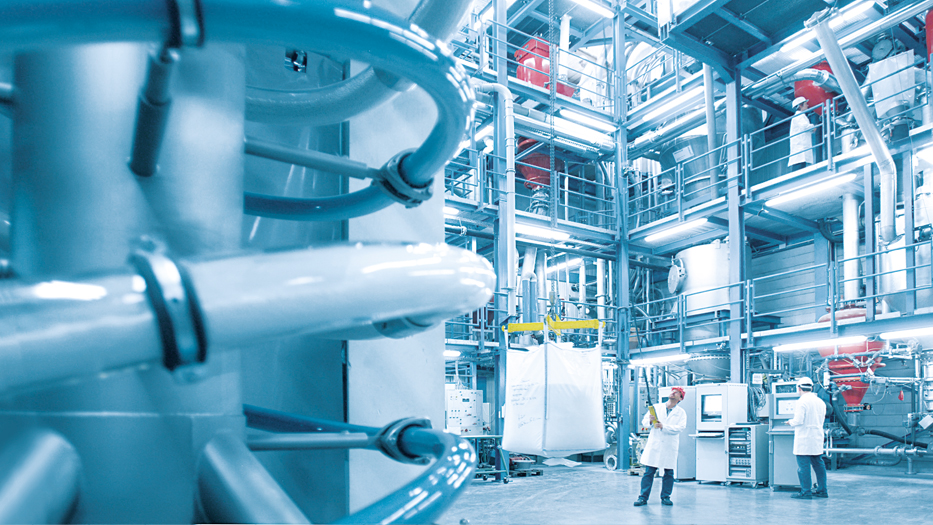
Everything looks right on paper. The Material Handling System and plant equipment have been designed based on general material data sheets. Once installed, the plant is commissioned and operated with the customer's actual product, specific formulations, and production requirements.
Suddenly, throughput drops below expectations. Product discharge fails, product degradation increases. Wear appears earlier than predicted. What seemed like a safe investment quickly becomes an expensive challenge. For manufacturers across the plastics, battery materials, chemical, minerals, and food industries, these challenges are all too familiar.
The reason is often surprisingly simple: bulk materials rarely behave exactly as expected.
From abrasive minerals and fragile pellets to cohesive powders and dust-prone materials, every bulk solid responds differently to handling and conveying conditions. And when these behaviors are not fully understood before a project moves forward, the consequences can impact product quality, plant efficiency, operating costs, and long-term reliability.
Solving Industry Challenges Before They Reach Production
Manufacturers today must bring new products and production capacities to market faster than ever while maintaining efficiency, quality, and profitability.
At the same time, material characteristics of the new products are becoming more complex. New battery materials, recycled plastics, specialty chemicals, and high-performance compounds often behave very differently from conventional bulk solids.
Testing before implementation helps companies:
✅ Reduce investment risk
✅ Validate process performance before implementation
✅ Improve scale-up reliability
✅ Optimize equipment selection and operating parameters
✅ Reduce downtime and maintenance requirements
✅ Accelerate production readiness
For many customers, identifying a potential issue during a test program can prevent costly modifications after installation.